
Luxury Looks for Less
“Looks expensive” is not a mystery. It is a short list of physical properties, and most of them cost less than people assume. Weight is the…
Being sourced now
Join The Edit below — you'll hear the moment it's live.
Browse the others.
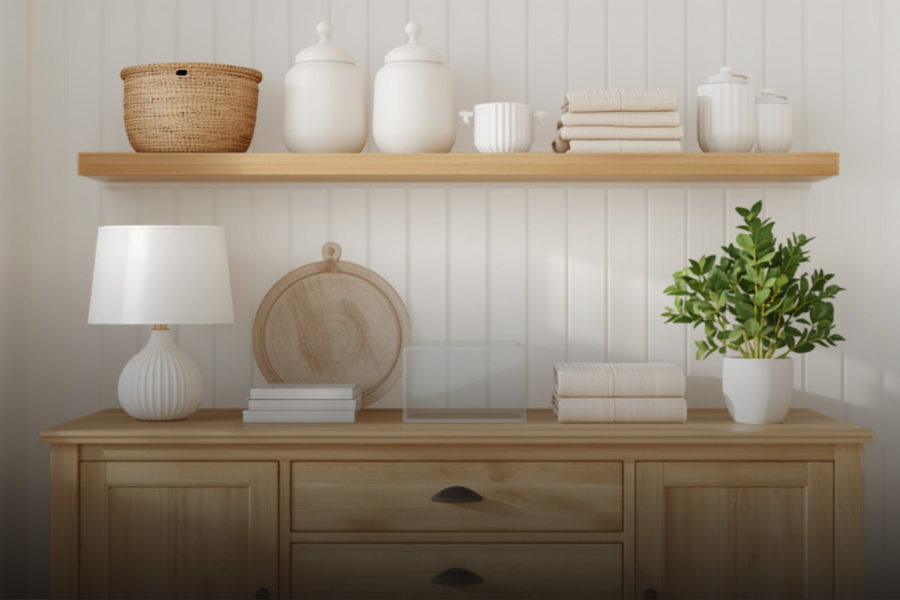 Amazon Home Essentials
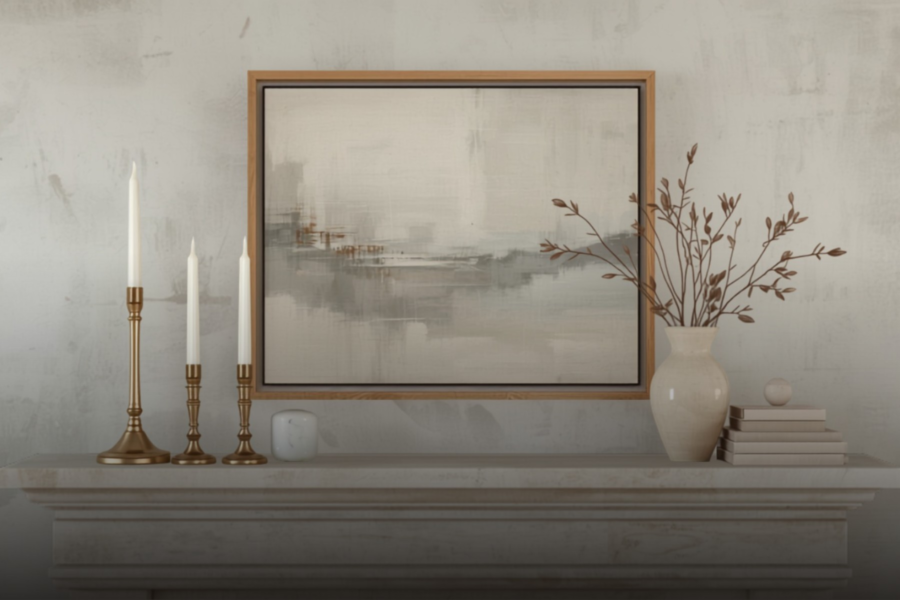 Art and Finishing Touches
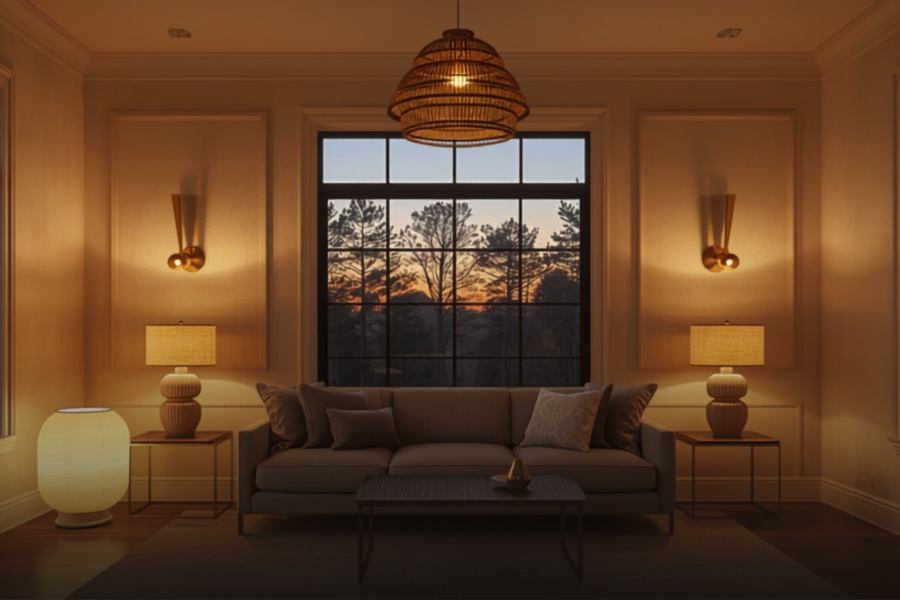 Designer Lighting Favorites
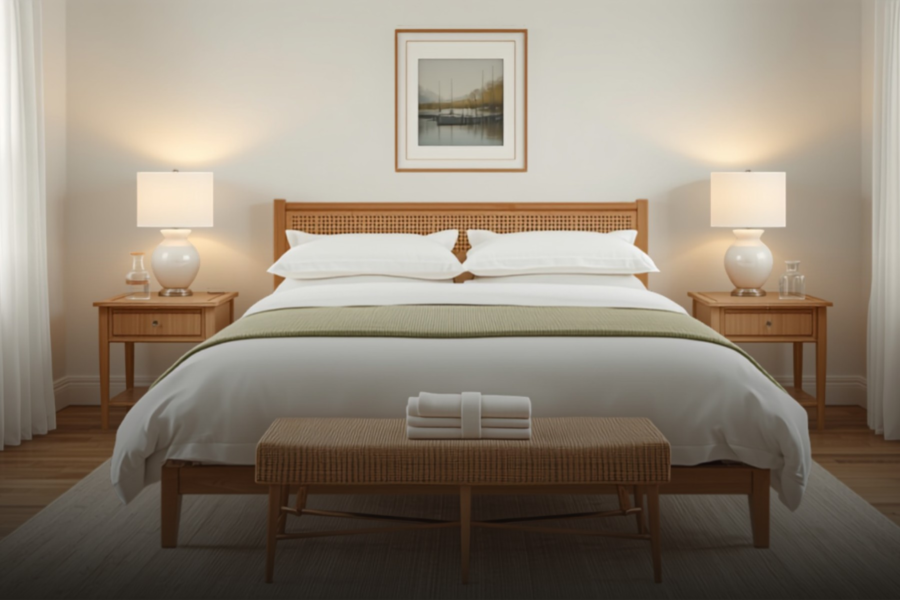 Guest Room Essentials
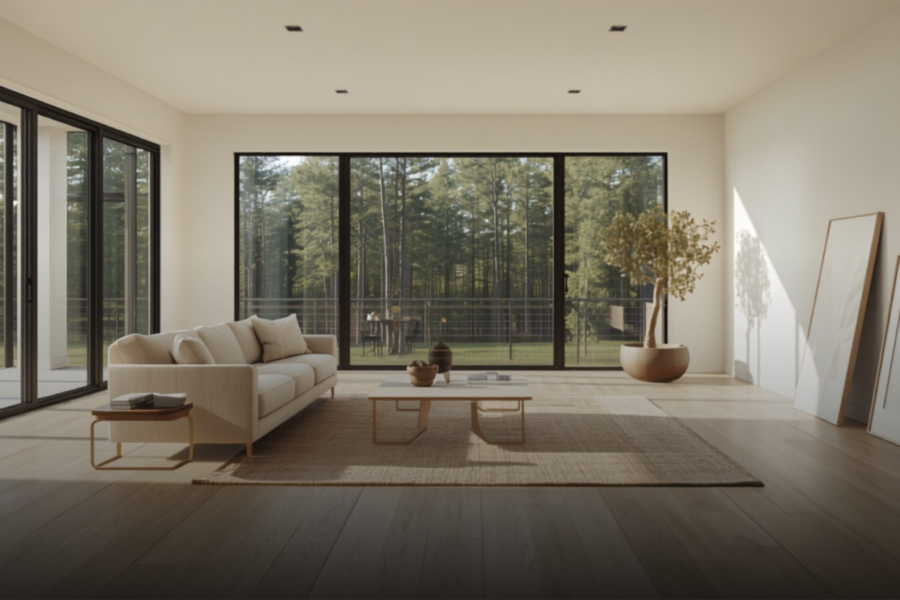 New Home Essentials
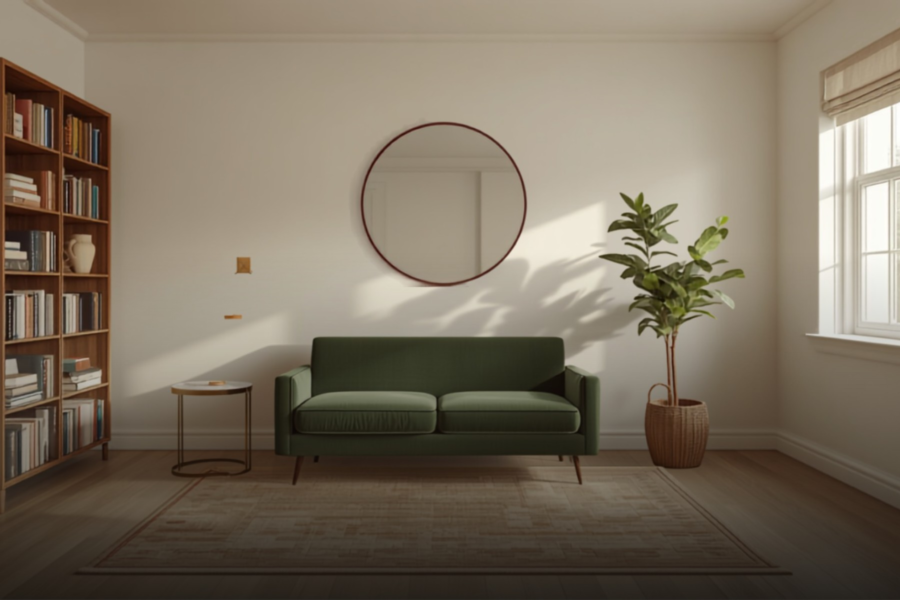 Small-Space Luxury
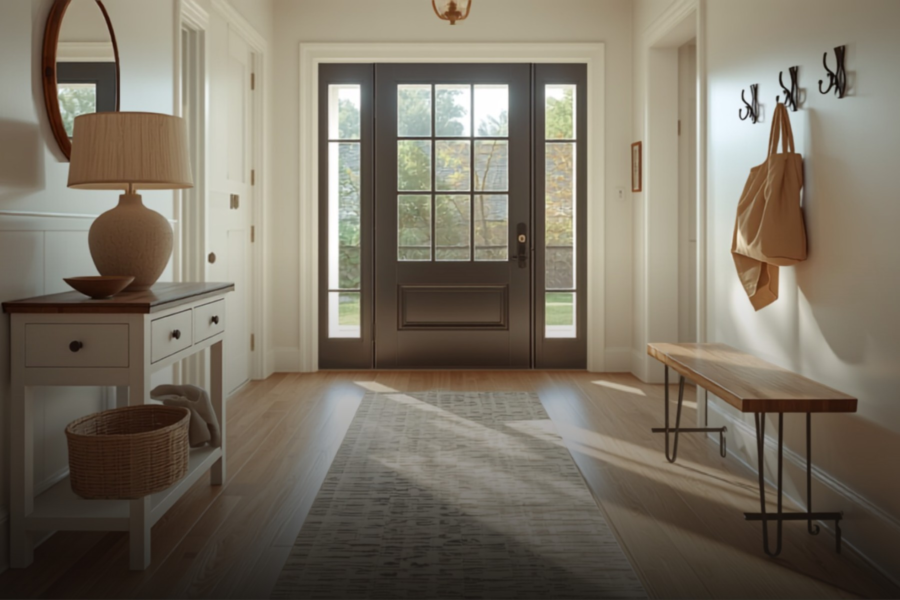 The Elevated Entryway
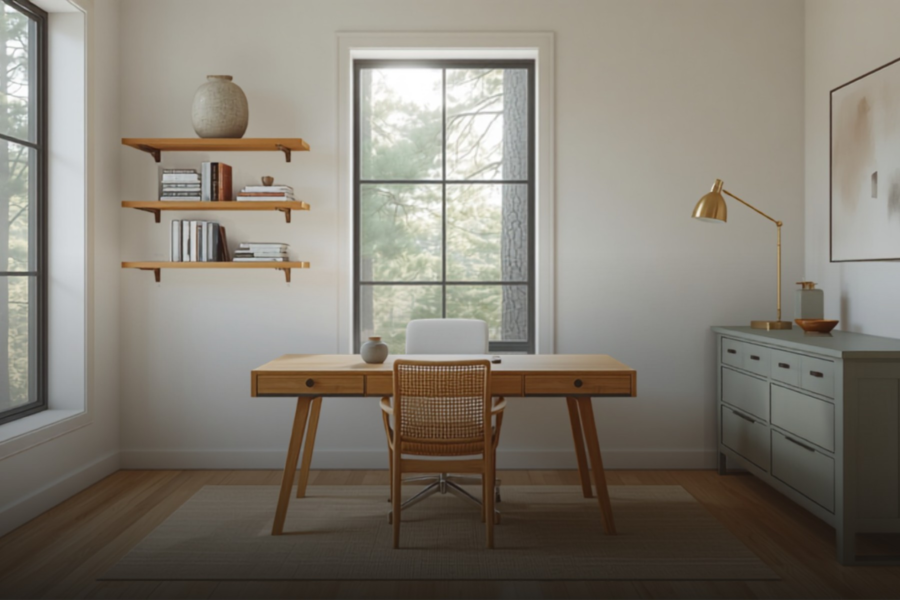 The Productive Home Office
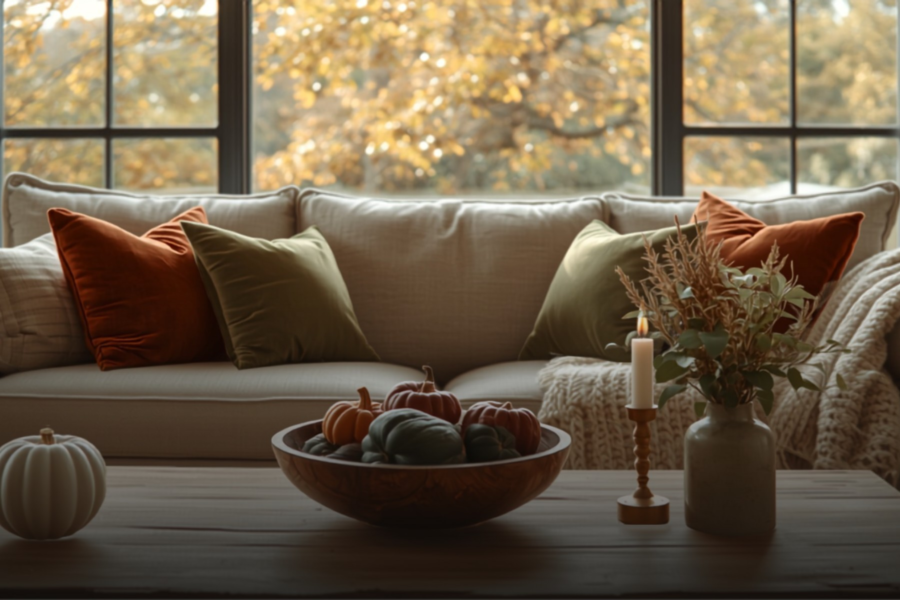 The Seasonal Home Edit
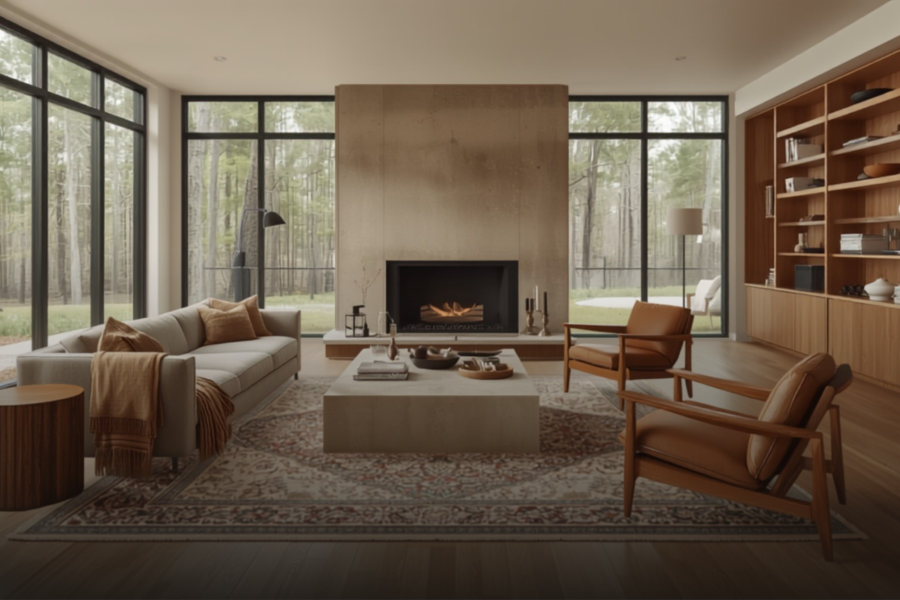 The Victus Living Room Edit
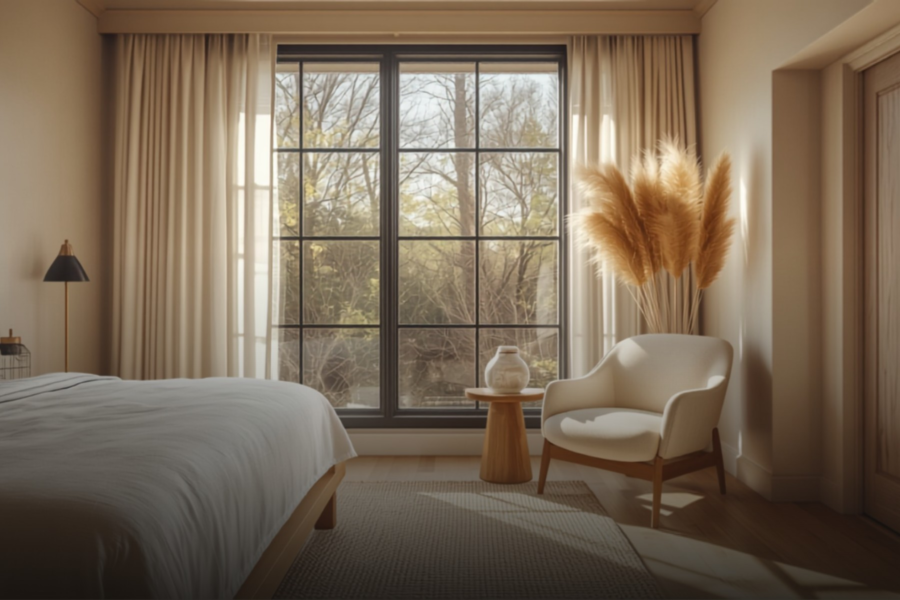 The Warm Neutral Bedroom
About this edit
“Looks expensive” is not a mystery. It is a short list of physical properties, and most of them cost less than people assume.
Weight is the first one. Solid materials — stone, real wood, thick glass, cast metal — read as expensive because your hand confirms what your eye suspects. A hollow object always announces itself eventually.
The second is edge detail. Look at where a table’s top meets its side, where a frame’s corner joins, where a cabinet door meets its face. Expensive furniture has resolved edges: a mitre, a bevel, a reveal. Inexpensive furniture has a wrapped edge with a visible seam.
The third is finish consistency. One metal, repeated. One wood tone, repeated. A room with four finishes reads as accumulated regardless of what anything cost.
The fourth is scale — and this one is genuinely free. A correctly sized rug and correctly hung drapery will do more for a room’s perceived value than upgrading any single piece of furniture.
This edit sorts the house into what deserves real money and what does not. The savings are specific.
A home that looks considered, not decorated.
The measurements worth memorizing.
Rug sizes, lighting heights, clearances — one free page.