Clients ask this constantly: where should we look? The honest answer is that the best neighborhood for design-minded buyers is the one whose housing stock you actually like working with. Raleigh has five distinct answers.
Historic Oakwood
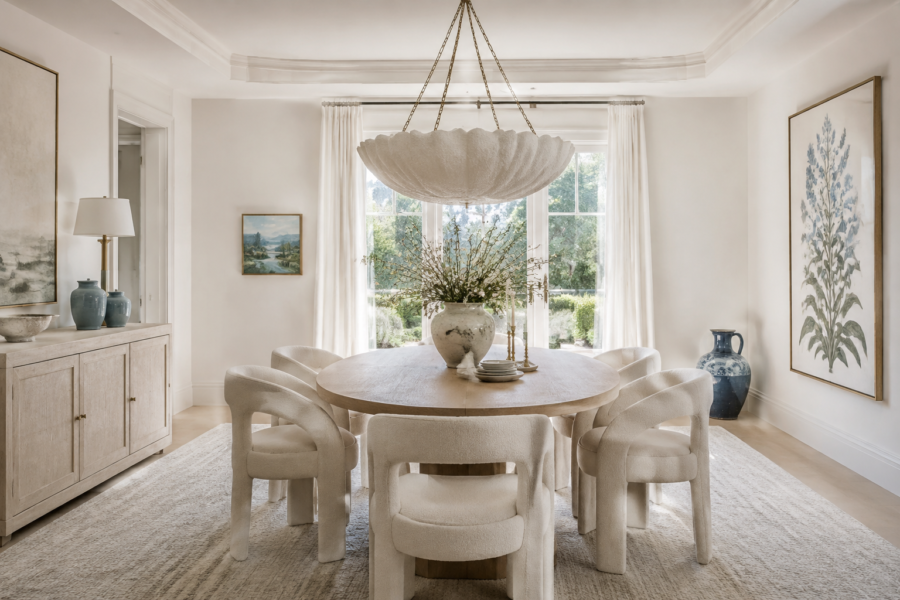
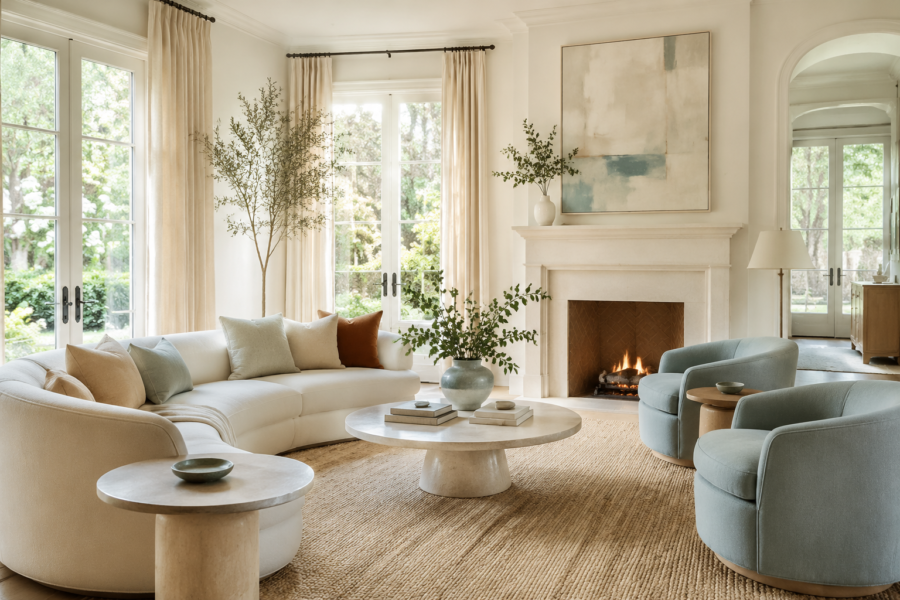
Victorian and early-1900s houses with the proportions modern builds gave up: tall ceilings, real moldings, rooms with doors. The design work here is restraint — these houses want editing, not reinvention. Budget for window treatments; there are a lot of windows, and they’re rarely standard sizes.
Five Points
1920s–40s cottages and bungalows with genuine charm and genuinely small closets. The move here is built-in storage that looks original — and resisting the urge to open every wall. A defined dining room is a feature, not a flaw.
Boylan Heights
Smaller footprint, strong bones, walkable to downtown. Perfect for the small-space playbook: fewer, larger pieces; mirrors placed to double light; rugs sized to the room rather than the furniture group.
Village District
Condos and townhomes where the design question is almost always light and layout, not square footage. Layered lighting matters more here than anywhere else in the city — most units lean on a single overhead source, and it shows.
North Hills
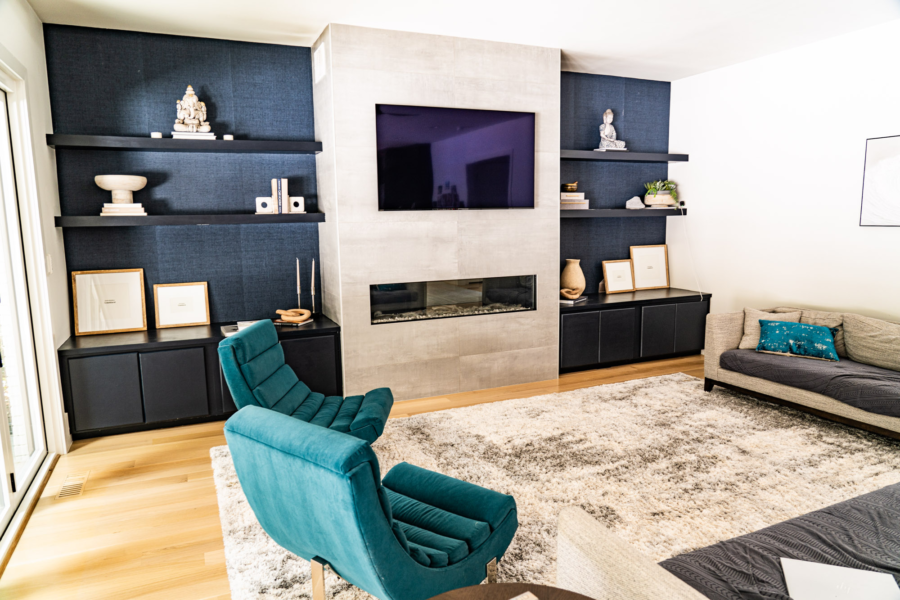
Newer construction: open plans, big windows, builder-grade finishes. The work is the opposite of Oakwood — these homes need character added deliberately. Start with lighting and hardware; they’re the fastest way to make a new build feel considered.
The rule that holds everywhere
Buy the light and the proportions. Finishes change in a weekend. Ceiling height and window placement never do.